
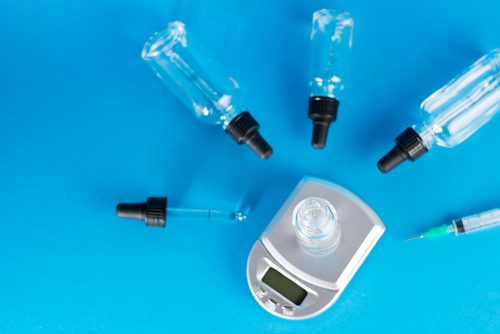
 DIY
DIY
vaping, short for “Do It Yourself” vaping,
refers to the practice of creating your own e-liquids or vape juice at home
rather than purchasing pre-made products from stores. DIY vaping enthusiasts
typically mix their own ingredients, including base liquids (such as propylene
glycol and vegetable glycerin), nicotine, flavorings, and sometimes additives
like sweeteners or cooling agents.
This approach allows vapers to customize their vaping
experience according to their preferences in terms of nicotine strength, flavor
profile, and throat hit. DIY vaping also gives users more control over the
ingredients they are inhaling, although it requires knowledge of proper mixing
techniques and safety precautions, especially when handling nicotine. However,
no matter if you’re new or experienced here in 2024, mistakes can be made, and
that’s why we’ll be discussing how to avoid certain ones.
10 DIY Vaping E-Liquid Mistakes You Need to Avoid Here in 2024
It’s important for those interested in DIY vaping to
educate themselves about the ingredients they’re using and to follow proper
guidelines to ensure the safety and quality of their homemade e-liquids. Not
only that, but also avoid some common DIY vaping mistakes.
DIY Vaping E-Liquid Mistake #1: Ignoring Nicotine Safety
Nicotine is a toxic substance, especially at high
concentrations. Handling nicotine improperly can lead to serious health risks.
Always use gloves and eye protection when handling nicotine solutions, work in
a well-ventilated area, and ensure that your nicotine storage is secure and out
of reach of children and pets. Never underestimate the potency of nicotine;
treat it with the same caution as any other hazardous chemical.
DIY Vaping E-Liquid Mistake #2: Not
Using Precise Measuring Tools
Accuracy is crucial in DIY e-liquid creation. Using
imprecise measuring tools, like kitchen spoons or eyeballing amounts, can lead
to inconsistent flavor and nicotine strength, and potentially dangerous
results. Invest in quality syringes, graduated cylinders, or digital scales
that measure to the nearest milligram to ensure accuracy in your ingredient
ratios.
DIY Vaping E-Liquid Mistake #3: Mixing by Volume Instead of Weight
While both methods can create e-liquid, mixing by
weight is generally considered more precise and cleaner. When ingredients are
measured by weight, the results are more consistent, and the process is less
prone to human error. A good digital scale is an essential tool for any serious
DIY vaper.
DIY Vaping E-Liquid Mistake #4: Using Low-Quality Ingredients
The quality of the ingredients directly affects the
quality of the final product. Using low-quality nicotine, flavorings, or base
liquids (PG/VG) can result in poor-tasting e-liquid and potentially unsafe
vaping experiences. Always source high-quality, food-grade ingredients from
reputable suppliers.
DIY Vaping E-Liquid Mistake #5: Failing to Steep E-Juices
Steeping is the process of letting your e-liquid sit
after mixing to allow the flavors to blend and mature. Just like aging wine,
steeping can significantly improve the taste of your e-liquid. Skipping this
step may result in harsh or unbalanced flavors. The steeping process can vary
from a few days to several weeks, depending on the flavors and personal
preference.
DIY Vaping E-Liquid Mistake #6: Overflavoring
While it might be tempting to add extra flavoring to
enhance the taste, too much can overwhelm the senses and ruin the e-liquid.
Most flavor concentrates are extremely potent, and a little goes a long way.
Generally, flavoring should make up only 10-20% of your e-liquid mixture. Start
with smaller amounts of flavor and adjust based on taste.
DIY Vaping E-Liquid Mistake #7: Cross-Contamination
When mixing multiple flavors or nicotine strengths,
there’s a risk of cross-contamination if you don’t clean your tools between
uses. This can alter the taste and strength of your e-liquids unexpectedly.
Always clean your syringes, containers, and any other mixing tools thoroughly
after each use to maintain the integrity of your flavors.
DIY Vaping E-Liquid Mistake #8: Lack of Record Keeping
When you mix your own e-liquid, it’s essential to keep
detailed records of your recipes, including the amounts and ratios of all
ingredients. Without this information, replicating a successful mix or
troubleshooting a failed one becomes difficult. Use a notebook or digital app
to track each variation so you can refine and perfect your recipes over time.
DIY Vaping E-Liquid Mistake #9: Ignoring PG/VG Ratios
The propylene glycol (PG) and vegetable glycerin (VG)
ratio in an e-liquid affects everything from throat hit and flavor intensity to
vapor production. Neglecting to consider how PG and VG ratios impact your
vaping experience can lead to disappointing results. For instance, high VG
content is better for producing large clouds, while high PG content carries
flavor more effectively and provides a stronger throat hit.
DIY Vaping E-Liquid Mistake #10: Improper Storage
Proper storage of both your ingredients and the final
product is crucial for maintaining their quality and extending their shelf
life. Nicotine and flavors should be stored in a cool, dark place to prevent
degradation. Light, heat, and air can all alter the chemical composition of
your e-liquids, leading to diminished flavor and effectiveness.
Now You Can Try to Avoid These DIY Vaping Mistakes!
DIY vaping offers a personalized vaping experience but
comes with its own set of challenges. Avoiding these common mistakes can help
ensure that you not only create e-liquids that are enjoyable and satisfying but
also safe to use. Again, whether you’re a beginner or a seasoned mixer, paying
attention to details, using the right tools, and following best practices are
key to achieving success in DIY vaping.
Leave a Reply