
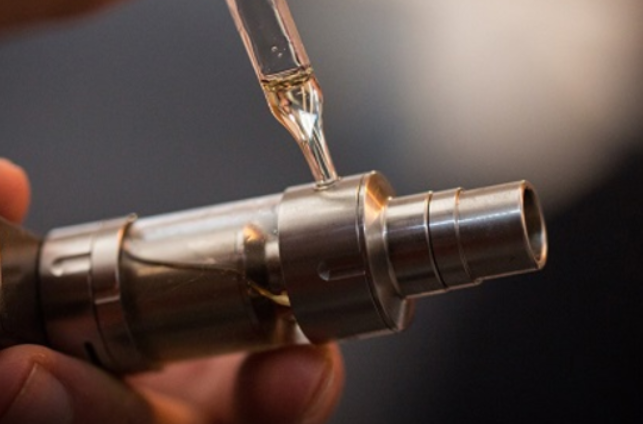
Since its inception, vaping has
exponentially grown in popularity compared to cigarettes. In as much as its
health effects are still unknown, it is deemed safer than normal cigarettes.
This is because most of the toxins found in tobacco that is inhaled via
cigarettes are absent in the
e-juice used in vaping.
Additionally, one can regulate the amount of throat hit depending on vaping
expertise using the vape tank.
Below are 4 ways in which a vaper
can determine if the e-juice is affecting the vape tank’s performance and how
the issue can be rectified:
If there is an air-leak from the vape tank
Leaking or flooding is common in vaping. Flooding usually occurs if the e-juice
is getting its way into the air passage in the vape tank. For the vape tank to
work correctly, the wicks must pass through holes in the air passage of the
tank. When the juice floods through the holes, it affects the tanks performance.
Flooding is mainly caused by:
Improper Filling:
During filling of the vape tank, the e-juice should not get into the tanks
center tube. This is because the center tube is where the air passes through.
During vaping, the air comes from the tank bottom and moves to the vaper via
the air passage. If the juice passes through the air channel, the vape tank
floods. As a result, improper filling causes the liquid to affect the vape
tanks performance. This issue can be solved by a proper filling. During
filling, it shouldn’t get in the tanks center tube.
Overfilling:
If the vape tank is filled beyond the recommended level, over saturation of the
wicks happens and as a result, the e-juice leaks into the air passage. The
flooded tank, in turn, affects the performance of the vape tank
Excessive Pulling:
Since the wicks in the tank absorb the e-liquid, pulling brings a vacuum effect
in the tank. When excessive pulling is done, more liquid is pulled than the
coil can vaporize. This, in turn, floods the tank making the juice affect the
tank’s performance.
Tank Temperature:
E-liquid works by thinning out when it warms up since it’s a viscous liquid.
Vice versa, it thickens if it’s cold. Over saturation in the wicks can,
therefore, happen when the juice is too thin since they can’t hold it back. It,
therefore, leaks into the air passage which floods the tank affecting its
performance. Flooding can be corrected by blowing from the battery connection
end of the tank when the battery is disconnected. The flooding will accumulate
at the mouthpiece of the vape tank. It can then be rubbed with a soft piece of
cloth or paper until its dry.
If
there is a build around the coils
E-juice is either made from Propylene Glycol or Vegetable Glycerin organic
compounds. Propylene Glycol is derived from propylene oxide. As a result, it is
odorless, colorless and retains a low viscosity. Propylene Glycol is as a
result easier to refill. On the other hand, Vegetable Glycerin has a higher
viscosity. It is, however, suitable for vapers who love higher and thicker
density vapor cloud. Vegetable Glycerin, therefore, has a fast build up in the
vape tank coils compared to Propylene Glycol due to its viscosity. Its gunk
residue clogs the coils faster making the e-juice affect the performance of the
vape tank. On the delivery device walls, Vegetable Glycerin also causes a
buildup which brings clogging.
If the power
coming to the vape tank is not enough, Vegetable Glycerin e-juice may affect
the vape tanks performance since its high viscosity requires a longer time and
more power to reach the optimum vaping temperature.
To rectify build
up issues, vapers who use Vegetable Glycerin should regularly clean their vape
tanks. This is because lack of regular cleaning will adversely affect the
performance of the vape tank due to the e-juice viscosity.
On the other
hand, enough vaping power should be sourced to reach the e-juice to optimum vaping
temperature adequately.
If
the e-juice has not been attended to for a long time
If the e-juice being used in a vape tank has not been used for a long time,
whether Vegetable Glycerin, Propylene Glycol or a mixture of both. The e-juice
affects the vape tanks performance. If the e-juice has not been attended to for
an amount of time, oxidation takes place. How fast oxidation occurs depends on
the ingredients added. After oxidation occurs, stains occur in the vape tank.
This affects the vape tanks’ performance as the vape tank produces an off
flavor that is not likable to a vaper.
This can be rectified by regularly attending to the juice.
If
the e-juice has a bad flavor
If the e-juice taste is not appealing, there is an effect already done to the
vape tanks performance. If the e-juice brand has a lot of sugar flavors, the
sugar caramelizes on the cotton in the coils of the vape tank. As a result, a
sugary cotton wick is stuck in the vape tank which completely changes the
flavor of the juice. However, the build-up takes time and the effects can only
be felt much later after the cotton sugar wick forms. Cotton sugar wick build
can be eradicated by avoiding too many sugary ingredients in the e-juice
Conclusively,
most of the issues that affect a vape tanks’ performance can be solved by
regular cleaning of the vape tank. Also, the optimum temperature should be
adhered to for a perfect thrill.
Leave a Reply