
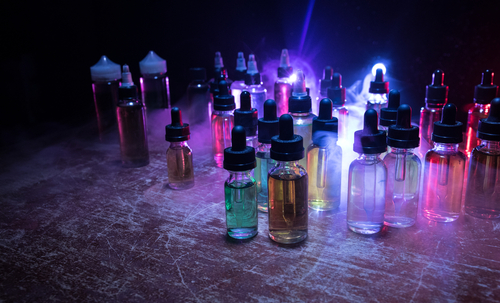
 The e-liquid
market has experienced significant transformations since the
inception of vaping. As technology advances and consumer preferences evolve,
manufacturers have continuously innovated to enhance the quality, safety, and
variety of e-liquids. This evolution has played a crucial role in the growth of
vaping as a popular alternative to traditional smoking. So, we will be
exploring some key ways in which e-juices have improved over the years,
reflecting on how these advancements have elevated the vaping experience.
Ways E-Liquids Have Improved
The vaping industry is highly competitive, and
manufacturers are constantly innovating to differentiate their products from
competitors. This has driven the evolution of e-liquids as companies strive to
create unique and appealing formulations that stand out in the market.
1. Improved Flavor Complexity and Authenticity
Early e-liquids often featured simple and sometimes
artificial-tasting flavors. Today, the flavor complexity and authenticity of
e-liquids have reached remarkable levels. Advances in flavor chemistry and a
deeper understanding of flavor layering have allowed manufacturers to create
more sophisticated and nuanced profiles. Modern e-liquids can mimic everything
from the crisp freshness of an apple to the rich, layered experience of gourmet
desserts.
Enhanced Extraction Techniques:
Flavor extraction techniques have also evolved, with
more brands opting for natural extractions to enhance the authenticity of
flavor. These methods have allowed for more genuine and robust flavor profiles,
providing a richer and more enjoyable vaping experience.
Collaboration and Experimentation:
There has also been a significant increase in
collaboration within the industry, with flavor experts from various
backgrounds— including culinary and perfumery—contributing to the development
of e-liquid flavors. This interdisciplinary approach has led to innovative
flavor combinations, pushing the boundaries of what can be expected from
e-liquid.
2. Increased Focus on Safety and Quality Control
Safety and quality control have become paramount in
e-liquid production. With the implementation of stricter regulations and
standards, manufacturers are more accountable for the safety of their products.
This shift has led to the adoption of better manufacturing practices and
thorough testing protocols to ensure that e-liquids are free from harmful
substances.
Regulatory Compliance:
In regions like the European Union and the United
States, regulations such as the Tobacco Products Directive (TPD) and rules set
by the FDA have mandated specific safety standards and ingredient disclosures.
These regulations help ensure that e-liquids are produced in clean, controlled
environments, reducing the risk of contamination.
Quality Ingredients:
There is also a greater emphasis on the purity and
origin of ingredients. Most reputable manufacturers now use
pharmaceutical-grade or food-grade base liquids (PG and VG) and flavorings,
ensuring that their products are safe for consumption.
3. Broader Variety of Nicotine Options
Nicotine delivery has seen one of the most significant
changes in the e-liquid market. The introduction of nicotine salts is a prime
example. Unlike traditional freebase nicotine, nicotine salts are smoother on
the throat and can be absorbed more quickly by the body. This makes
high-strength nicotine e-liquids more accessible and satisfying, particularly
for smokers transitioning to vaping.
Tailored Nicotine Strengths:
Manufacturers now offer a wider range of nicotine
strengths, catering to both heavy smokers and those who prefer a lighter
nicotine touch. This variety allows users to more precisely manage their
nicotine intake, facilitating a better overall control over their vaping
experience.
Innovative Delivery Systems:
Advancements in how nicotine is delivered in e-liquids
are continually improving. Technologies that ensure more consistent nicotine
delivery and satisfaction are being developed, helping users maintain steady
nicotine levels throughout their day.
4. Packaging Innovation
The packaging of e-liquids has also evolved to improve
user experience and safety. Innovations in packaging go beyond aesthetics; they
enhance the practicality and safety of the products.
Child-Resistant Packaging:
One of the most important advancements in e-liquid
packaging is the universal adoption of child-resistant caps. This development
has significantly reduced the risk of children accidentally accessing and
ingesting these products.
Improved Labeling:
E-liquids now come with more detailed labels that
provide comprehensive information about the ingredients, nicotine content,
expiration date, and proper storage conditions. This transparency helps vapers
make informed decisions about the e-liquids they choose to consume.
5. Environmental Considerations
As global awareness of environmental issues grows, the
e-liquid industry is also becoming more eco-conscious. Manufacturers are
increasingly mindful of their environmental impact, adopting more sustainable
practices in both production and packaging.
Recyclable and Biodegradable Materials:
There is a growing trend towards using recyclable or
biodegradable materials for packaging e-liquids. Companies are also exploring
more sustainable methods of ingredient sourcing and manufacturing processes
that minimize environmental impact.
Reduced Carbon Footprint:
Efforts to reduce the carbon footprint of
manufacturing processes and supply chains are on the rise. Some companies have
committed to carbon-neutral practices, investing in renewable energy and carbon
offset programs to balance the environmental cost of their operations.
Bottom Line: E-Liquids Have Undergone a Remarkable Evolution Over the
Years
The e-liquid industry has come a long way since its
inception. With improvements spanning from flavor development to safety
protocols, nicotine options, packaging, and environmental consciousness, the
future looks promising. These advancements not only enhance the vaping
experience but also contribute to the credibility and sustainability of vaping.
Leave a Reply