
As pet owners, it’s our responsibility to monitor our
furry friends’ wellbeing to ensure that they’re as healthy as possible. Pets aren’t exactly capable of letting us
know that they’re feeling physically or mentally unwell, so we have to look for
clues that indicate a problem, while going above and beyond to ensure that they
receive proper daily care.
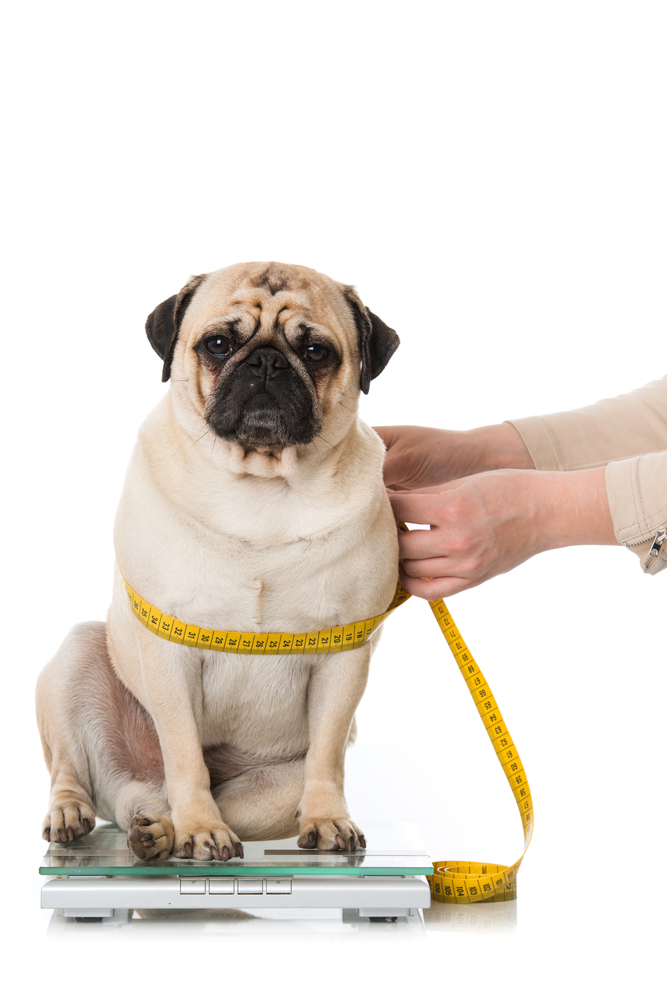
One way in which we monitor our pets’ health is by
staying on top of their weight. We know
that a pet must maintain a healthy weight in order for their bodies to function
properly. We also know that sudden or
drastic weight changes can indicate an underlying issue that requires medical
attention.
That’s why we’ll be talking about the relationship
between a pet’s weight and their overall health, especially when using CBD.
The Importance of Monitoring Your Pet’s Weight
It’s not surprising that a pet’s weight has a lot to
do with their overall health. After all,
we know that we must carefully manage our own weight, as being either
overweight or underweight can put us at risk of certain health problems. The same goes for our pets, who are at risk
of the same types of diseases if their weight is not within the healthy range
for their breed.
A pet should be weighed at home every month or so in
order to stay aware of any possible changes.
This is a good way to catch weight loss or weight gain that may indicate
the need for medical care.
An Overweight Pet
Pets who are overweight are at risk of a variety of
ailments including heart disease and diabetes.
Further, overweight pets tend to become depressed, because this
conflicts with their natural instincts to be physically active. Sometimes, a pet can become overweight
because of improper feeding. Maybe the
owner is giving them too many treats per day, letting them taste too much human
food or is giving them larger portions than their bodies need. Pets are opportunistic feeders who have a
tendency to eat whatever is given to them, even if they are not hungry. This is due to their instincts which tell
them that they never know when the next meal may come, so they had better eat
when they can.
Sometimes, a pet can become overweight due to an
underlying ailment which has nothing to do with the food you are giving them,
or how many calories they are consuming.
For example, pets may develop thyroid issues that cause them to put on
excess weight.
An Underweight Pet
A pet that is underweight is also at risk of various
complications. Pets require a certain
amount of nutrients each day in order for their bodies to be in good
health. Receiving inadequate nutrition
can lead to a wide range of problems.
A pet may be underweight due to not receiving enough
food. This is why pet owners must know
exactly how much food to give them each day based on their weight and
breed. A pet may also lose weight due to
a lack of appetite, as various issues can interfere with their desire to eat. Further, they may have an underlying issue
that is causing them to lose weight regardless of how much they eat, such as
hyperthyroidism.
Speaking to Your Veterinarian About Your Pet’s Weight Issues
It’s very important that you see a veterinarian if you
suspect that your pet’s weight is abnormal, or if you notice sudden changes in
their weight. Only a vet can determine
the cause of the weight issue and suggest a treatment plan based on their
unique situation.
CBD and Your Pet’s Weight
Cannabidiol happens to be the dominant compound found
in the flowers of the female hemp plant.
CBD is a cannabinoid, which is a class of cannabis-derived compounds
that are processed by the endocannabinoid system, which is a bodily system
found in every mammal. When the body is
fed cannabinoids like CBD, the endocannabinoid system sends them to cannabinoid
receptors located throughout the body, and this allows bodily processes to be
regulated. Cannabinoid receptors are
found in every bodily system and regulate the body in order to achieve
homeostasis.
What the Studies Say
It’s important to note that because all mammals have
this endocannabinoid system, CBD can offer the same effects to our pets that it
does to humans. In other words, giving
our pets CBD can help regulate the functions of their bodies by supplying their
endocannabinoid systems with cannabinoids.
CBD is considered nontoxic to all mammals.
Study #1: One
regulatory action that CBD may offer is appetite regulation. Regular cannabidiol consumption could lead to
a balanced appetite. This would imply
that CBD has the potential to be helpful whether your pet tends to overeat or
undereat.
Study #2: CBD’s
potential regulatory effects can actually determine the way in which fat is
stored in the body and may be able to combat obesity caused by the accumulation
of white adipose tissue.
Giving Your Pet CBD for Weight Management
If you are concerned about your pet’s weight and wish
to start them on a hemp regimen, it’s important that you speak to your veterinarian
first. They are the ONLY ones authorized to provide
medical advice based on your pet’s specific needs. Your vet may also be able to help you develop
a treatment plan that’s customized for them.
It’s crucial that you only give your pet a CBD product
formulated for their species. Lots of
pet-friendly CBD products can be found on the market today, so find one that is
formulated for your pet’s weight. It’s
ideal to give them CBD daily for proper endocannabinoid system support.
Weight Plays a Major Role in Your Pet’s Overall Health
Which is why staying on top of their weight is such an
important responsibility as a pet owner.
If you’re having concerns about their weight, we suggest that you talk
to your vet about giving them cannabidiol.
Leave a Reply