
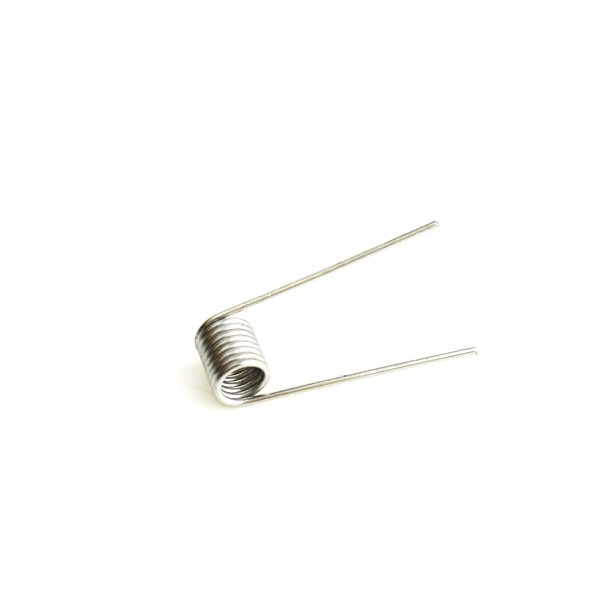
Not every vaper feels the need to become an expert on
the different type of coils that are out there, but every vaper should at least
have a basic understanding of how different coils produce different vaping
experiences. Knowing how coils work will
help you finetune your experience like never before while preventing unwanted
things like dry hits and spitback. When
it comes to coil knowledge, it’s pretty much essential that you grasp the main
differences between single, dual, and triple coils. These are the most popular coils you can
find, and they’re extremely different in terms of structure and performance.
Understanding the Basics on Coils
As you know, you can’t vape without coils. Coils are sort of the middleman between the
battery and your vape juice. Basically, your
battery provides heat to your coil, which allows the coil to heat up to the
right temperature in order to turn your vape juice from a liquid into a
vapor. Therefore, it’s safe to say that
which coil you use has a lot to do with your overall vaping experience.
Coils come in a wide variety of metals, wicking styles
and general configurations. When talking
about single, dual, and triple coils, we refer to the wires that’re inside of
the coil structures.
Single Coils
As the name implies, a
single coil utilizes a single wire to turn that e-liquid into luscious
vapor. All of the battery power is
conducted through that single wire which then heats the vape juice. For many vaping setups, a single coil is
adequate.
Many people prefer single
coil configurations because they require and produce less power. With single coils, you’ll find that your
battery life is much longer because the coil doesn’t require nearly as much
power. You’ll also find that your vape
juice lasts longer because the coil isn’t burning through as much when you fire
a hit.
Single coils are also
great for those who are just starting to build their own. A single coil is easily the simplest type of
coil configuration to build.
A drawback of using a single coil is that it’s not as
good at turning your vape juice into huge, fluffy and dense clouds, because
it’s not heating as much vape juice at one time. Another disadvantage is that the ramp-up time
is a bit slower.
Dual Coils
Dual coils consist of two wires inside of the coil structure. When the device is fired, the battery evenly
heats both coils which allows for more e-liquid to be processed per hit. Dual coils are, therefore, more powerful, and
more favored among cloud chasers who prefer extremely high wattages.
When you’re using a dual coil configuration, you can
expect your clouds to be huge and extremely thick, which is what so many vapers
crave. That’s because two coils are
heating your vape juice at once, which means that each hit actually gives you
double the amount of e-liquid.
Of course, that comes at a cost. Dual coil configurations will cause you to go
through your e-liquid at a faster rate, which means that you’ll be spending
more money on vape juice over time. Dual
coils also drain your battery more quickly because they require twice as much
power to be activated, so to speak.
Also, if you’re getting into DIY vaping, dual coils
are a bit more complicated in terms of construction.
Triple Coils
A fairly uncommon option, since there are RBAs
(Rebuildable Atomizers) that accept three coils, each coil will be included in
an assessment pertaining to a third of the resistance. For example, if you build 3x 1-ohm coils, you
will break down that single into thirds to discover the ending resistance.
Triple coils do not really supply a substantial flavor
boost overall, however, they do impel vapor heavily. The effort to set one of these up and feed
wicks through is almost not worth the work. Still, you have vapers out there who have
triple coil decks in their possession.
Final Coil Thoughts
Whether you choose a single, dual coil, or triple coil
is totally your call. Neither is
objectively better than the other. We
recommend trying out all three coil types though, in order to see which,
satisfies your particular vaping needs.
That way, you’ll then be able to determine whether or not you should be
going with that said coil build.
Leave a Reply