
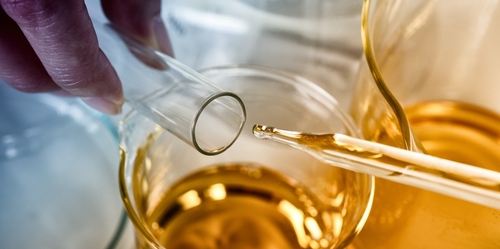
 In the hemp-derived product industry, solvents are
intended to extract cannabidiol (CBD) and other cannabinoids
from the original hemp plant material.
Getting a better idea of how these solvents are utilized and how CBD products
are tested once they’re created is quite important in more ways than you can
imagine.
What are Solvents?
Solvents
are substances, usually liquids, that have the ability to dissolve, suspend, or
extract other materials without chemically changing either the solvent or the
other substances. They
are commonly used for dissolving solid materials, creating solutions, and as
cleaning agents in various industries. Solvents
can be classified into two main categories:
- ØCategory
#1: Organic Solvents – These are carbon-based solvents and
are widely used in paints, pharmaceuticals, and in chemical syntheses. Examples include alcohols (like ethanol),
ketones (like acetone), and hydrocarbons (like benzene and toluene). Organic solvents can be further divided into
polar (e.g., acetone) and non-polar (e.g., hexane) types based on their
molecular structure. - ØCategory
#2: Inorganic Solvents – These solvents are not carbon-based.
Examples include water and liquid ammonia. Water is the most commonly used
solvent due to its ability to dissolve many substances, which earns it the
nickname “the universal solvent”.
Solvents have different properties like boiling point,
polarity, and toxicity, which determine their use in various applications. It’s important to handle solvents carefully
as many of them can be hazardous to health and the environment, particularly
organic solvents, which can be flammable and toxic.
How are Solvents Produced?
Solvents are produced through various chemical
processes, depending on the type of solvent being manufactured. Here’s a general overview:
oPetroleum-Based Solvents:
These are derived from the distillation of crude oil. The process involves
heating the oil to high temperatures, where different components are separated
based on their boiling points. Examples include toluene, xylene, and naphtha.
oAlcohol-Based Solvents:
These are produced through fermentation or chemical synthesis. Ethanol, a
common alcohol-based solvent, is produced by fermenting sugars derived from
crops like corn or sugarcane. Other alcohols like methanol can be produced
synthetically from natural gas or other sources.
oChlorinated Solvents:
These are produced through the chlorination of hydrocarbons. This involves the
reaction of chlorine with hydrocarbons, which can be derived from petroleum or
natural gas. Examples include trichloroethylene and perchloroethylene.
oEster Solvents:
These are formed by reacting carboxylic acids with alcohols. A common example
is ethyl acetate, produced by reacting acetic acid with ethanol.
oKetone and Aldehyde Solvents:
These are produced through various chemical reactions, often involving the
oxidation of alcohols. Acetone, a well-known ketone solvent, can be produced by
the dehydrogenation of isopropanol.
oBio-based Solvents:
These are produced from renewable resources like plant oils, sugars, and
cellulose. They are gaining popularity due to their lower environmental impact.
Examples include bio-based ethanol and limonene.
The exact process and raw materials used vary widely
depending on the desired solvent’s chemical properties and intended use. Additionally, environmental concerns and
regulations are increasingly influencing solvent production, with a growing
emphasis on more sustainable and less toxic alternatives.
Why are Less and Less Solvents Found in CBD E-Liquids?
Using solvents in CBD e-liquids is generally
discouraged for several reasons, as some are more than justified in order to
ensure the safety, quality, and effectiveness of the CBD product.
Reason #1 Health Risks
Many solvents are harmful to inhale. When solvents are
heated in a vape, they can decompose and produce toxic compounds. For instance, inhaling vaporized propylene
glycol or vegetable glycerin in a CBD vape juice can lead to irritation of the
lungs and airways, and potentially more severe health issues over time.
Reason #2: Purity and Potency of CBD
The presence of solvents can dilute the purity and
potency of CBD. This dilution can make
it difficult to dose the CBD effectively, leading to inconsistent experiences
and potentially reduced therapeutic benefits.
Reason #3: Quality of Your Vaping Experience
Solvents can alter the taste and viscosity of the vape
juice. For those seeking the natural
flavor and effects of CBD, this can be undesirable. Not to mention, certain solvents can cause a
harsher throat hit, which can be uncomfortable or irritating for some users.
Reason #4: Safety Regulations and Standards
The vaping industry, including CBD vape products, is
increasingly subject to strict regulations regarding ingredients and safety. The use of certain solvents might not comply
with these regulations, posing legal and commercial risks to manufacturers.
Reason #5: Alternative Method
There are safer and more efficient methods for
extracting and consuming CBD, such as CO2 extraction, which do not require
harmful solvents. These methods are
generally preferred because they produce purer and safer CBD products.
Third-Party Testing for Solvents in CBD Products: What You Need to Know
Third-party testing for solvents in CBD products is an
important aspect of ensuring the safety and quality of these products. Again, solvents are chemicals used in the
extraction process of CBD from the hemp plant, and residual solvents can be
harmful if present in significant amounts in the final product. To ensure the safety and purity of CBD
products, third-party testing labs are typically used to analyze them for
solvent residues.
Here are the key steps involved in third-party testing
for solvents in CBD products:
1.Sample Collection: A
representative sample of the CBD product, such as oil, tincture, or isolate, is
collected for testing. The sample should be taken from a batch of the product,
ensuring it is representative of the entire batch.
2.Selection of Analytical Method:
Testing labs use specific analytical methods to detect and quantify solvents in
CBD products. Gas chromatography (GC)
and liquid chromatography (LC) are common techniques used for this purpose.
3.Extraction and Analysis:
The sample is prepared and subjected to the chosen analytical method. The lab technicians will extract any solvents
present in the sample and analyze the extracted compounds.
4.Detection Limits:
The testing lab will establish detection limits for each solvent, indicating
the lowest concentration at which a solvent can be reliably detected and
quantified.
5.Reporting:
After analysis, the lab generates a detailed report that includes the results
of the solvent testing. This report
should indicate which solvents were tested, their concentrations in the
product, and whether they meet regulatory safety limits.
6.Compliance with Regulations:
Solvent residue limits are typically regulated by government agencies, such as
the Food and Drug Administration (FDA) in the United States. The product’s test results are compared to
these regulatory limits to determine compliance.
7.Third-Party Verification:
The testing lab is considered a third party because it is independent of the
manufacturer or distributor of the CBD product. This independence ensures objectivity and
reliability in the testing process.
8.Certificate of Analysis (COA):
A Certificate of Analysis is often provided by the testing lab to the
manufacturer or distributor of the CBD product.
This document serves as proof that the product has undergone third-party
testing for solvents and other contaminants.
Consumers can also request access to the COA to verify the safety and
quality of the CBD product they are considering purchasing. It is essential to ensure that the COA is
recent and specific to the batch of the product you are interested in.
Leave a Reply