
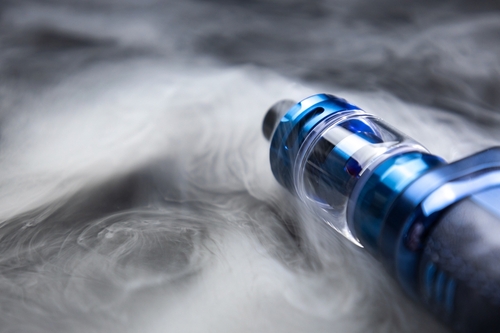
 Vaping, while an increasingly popular activity, can
sometimes have side effects such as causing users to feel tired or fatigued.
This sensation can be surprising to some, particularly if they switched to vaping
as a potentially less harmful alternative to smoking cigarettes. Understanding
why vaping might make you feel tired involves a look into the physiological and
psychological effects of nicotine, the impact of other ingredients in
e-liquids, and even the behavioral patterns associated with vaping.
The Role of Nicotine
One of the primary reasons why vaping can make
individuals feel tired is the central role of nicotine. Nicotine
is a stimulant, but its effects are not straightforward and can be somewhat
paradoxical.
- Stimulant
Effects: Initially, nicotine can increase
alertness and energy, similar to other stimulants like caffeine. It
stimulates the release of adrenaline, which increases heart rate, blood
pressure, and breathing rate, giving a burst of energy. - Post-Stimulant
Fatigue: However, these effects are often
short-lived, and the subsequent drop in energy can lead to feelings of
tiredness. After the stimulant effects wear off, there’s a comedown period
where the body can feel more exhausted than before. - Nicotine
Withdrawal: Regular users of nicotine may
experience withdrawal symptoms between vaping sessions, which can include
fatigue, along with other symptoms like irritability and difficulty
concentrating.
Ingredients in E-Liquids
Aside from nicotine, vaping with e-liquids
can also contribute to feelings of tiredness. The two primary components of
most e-liquids are propylene glycol (PG) and vegetable glycerin (VG), both of
which are generally recognized as safe for consumption but might have side
effects in some users.
- Hydration
and Dehydration: Both PG and VG are hygroscopic,
meaning they absorb water. Vaping frequently can lead to dehydration if
not balanced with adequate fluid intake. Symptoms of dehydration include
fatigue, dizziness, and headaches. - Direct
Effects of Ingredients: Some people might have mild
sensitivities to PG or VG, which can manifest as tiredness or lethargy.
This sensitivity can also lead to inflammation or irritation of the
respiratory tract, which in turn requires energy from the body to manage,
thus leading to feelings of tiredness.
Physiological Impacts
Vaping affects the respiratory system, and the quality
of your breathing can directly influence your energy levels.
- Oxygen
Saturation: Nicotine causes blood vessels to
constrict, which can reduce blood flow and oxygen delivery to various
parts of the body, including muscles and brain tissues. Reduced oxygen
levels can lead to fatigue. - Respiratory
Irritants: Some flavors and additives in
e-liquids can irritate the lungs and airways, leading to less efficient
gas exchange. If the lungs are not working optimally, this can lead to
decreased oxygen levels in the blood, increasing the feeling of tiredness.
Psychological and Behavioral Factors
The act of vaping itself, and the behaviors associated
with it, can also contribute to feelings of tiredness.
- Relaxation
and Sedation: Many people vape as a way to relax
and reduce stress. The act of deep inhalation and exhalation mimics
breathing exercises that can have a calming, almost sedative effect on the
body. - Disrupted
Sleep Patterns: Nicotine is known to disrupt sleep
patterns. It can reduce the amount and quality of REM sleep, the most
restorative phase of sleep. Poor quality sleep leads to tiredness during
waking hours. Moreover, if vaping occurs close to bedtime, the stimulant effects
of nicotine can make it difficult to fall asleep.
Addressing the Tiredness
If you find that vaping is making you feel tired,
consider the following steps to mitigate these effects:
- Manage
Nicotine Intake: Lowering the nicotine concentration
in your e-liquid can help reduce its stimulant and subsequent tiredness
effects. Experiment with lower levels or consider nicotine-free options if
appropriate. - Stay
Hydrated: Given the hygroscopic nature of the
base liquids in e-juice, increasing your water intake can help counteract
dehydration and its associated fatigue. - Monitor
and Adjust Usage: Be mindful of when and how much you
vape, especially before bedtime, to avoid disrupting your sleep. - Consult
Healthcare Providers: If fatigue persists and is
affecting your daily life, it may be wise to consult with a healthcare
professional to ensure that it isn’t linked to other underlying health
issues.
Final Thoughts
While vaping can be an enjoyable activity for many,
it’s important to be aware of and understand why it might cause tiredness in
some users. By considering the effects of nicotine, the ingredients in
e-liquids, physiological impacts on the body, and associated behavioral
patterns, vapers can take steps to mitigate tiredness and improve their overall
experience. Awareness and minor adjustments to vaping habits can significantly
enhance the enjoyment and benefits derived from vaping while minimizing any unwanted
side effects.
Leave a Reply