
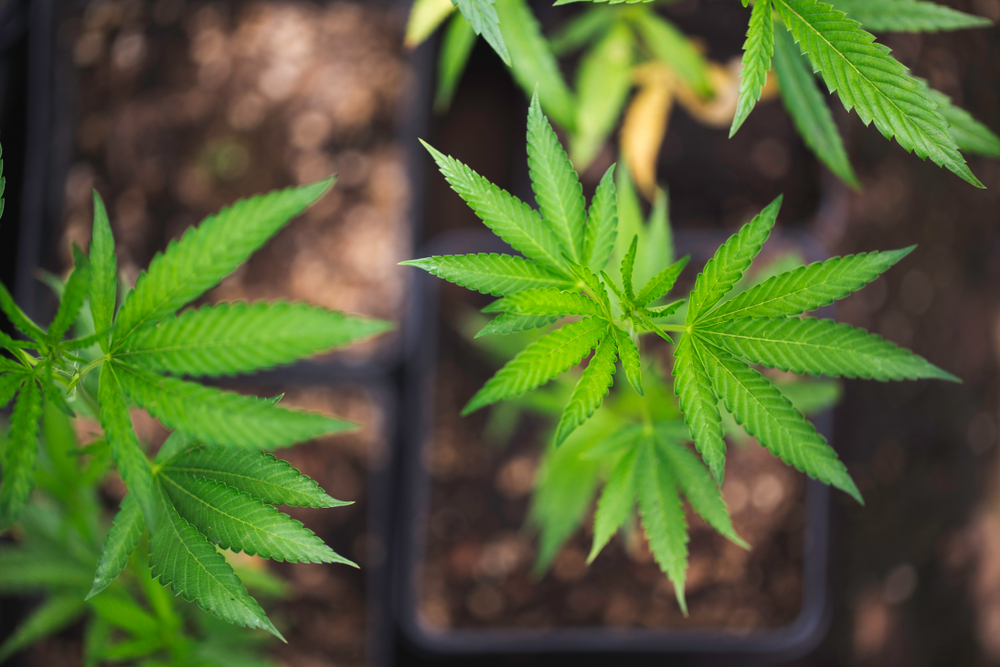
More hemp enthusiasts are studying the plant in order
to better understand its properties, characteristics, and uses. As a result, we’re seeing that CBD users are more particular about the products that
they choose than ever before, being highly discerning when it comes to certain
aspects of the ways in which the products are made. Most notably, we’re finding that a lot of
cannabidiol enthusiasts are opting for “organic” CBD over its conventional
counterpart.
Many people equate organic with being better, but they
aren’t quite sure of the unique aspects of organic plants that make them
potentially superior to conventionally grown ones.
What is Organic CBD?
Organic CBD is technically organic hemp, because CBD
is simply a compound found in the industrial hemp plant. Therefore, CBD itself can’t be “grown”
organically. But these terms are often
used interchangeably for understandable reasons, as most people use the word
“CBD” when talking about the hemp plant as a whole, as it’s the most dominant
and popular compounds in the plant material.
Organic hemp is hemp that has been grown using organic
means rather than conventional means. In
order for hemp to be considered organic, it must receive a USDA (United States Department of
Agriculture) certification, which comes from applying for one
and proving that the hemp is grown based on the criteria provided for organic
farming. This certification means that
the crops have been deemed by the USDA to be organic, and so the farm can
legally advertise their crops as such.
Organic Industrial Hemp Farms: How They Differ from Conventional Ones
So, what makes organic hemp different from
conventional hemp? Well, there are
certain factors that must be at work in order for a farmer to receive this USDA
approval. One major one is that the hemp
cannot be grown with any chemical-based products, including synthetic
pesticides, herbicides and fertilizers.
In fact, the soil of a farm trying to get approved for a certificate
must prove that none of these substances have been used for three years, as
they can linger in the soul for a long time and creep into the crops in trace
amounts. Further, no genetic engineering
is allowed in organic farming.
In a nutshell, organic farming revolves around using
natural means for every aspect of the farming process, in order to completely
avoid the use of synthetic chemicals.
Possible Benefits of Going with Hemp That’s Organic
So, how can organic hemp benefit you, as opposed to
conventional hemp?
Well, for one thing, organic hemp, as we said earlier,
is not grown with synthetic chemicals. A
lot of farms rely on synthetic materials such as pesticides and fertilizers
made with chemical additives in order to boost production and minimize crop
damage. The problem is that many of
these products are known to contain toxic substances which some argue are
ultimately harmful to human health.
Because organic hemp is not grown with these
ingredients, it may be safer. And, it
results in a purer product as well.
Trace substances of these chemicals end up in the final product, which
interferes with the purity level of the hemp that you’re consuming daily.
It’s interesting to note that the hemp plant is known
for absorbing surrounding compounds in a very efficient manner compared to
other plants. For instance, if there
happens to be pesticides used nearby the hemp crops, the hemp is very likely to
absorb them even though they have not been directly applied to the hemp
itself. This is why CBD companies often
choose to source their hemp from completely organic farms.
Furthermore, some argue that hemp that’s grown
conventionally ends up with a less chemically stable chemical composition, as
these chemicals may leech away nutrients and other levels of compounds that are
deemed as beneficial. In other words,
organic hemp is more likely to have fully bioavailable and abundant chemical
compounds that are useful to the body.
How to Know Whether or Not You’re Using Organic Hemp
Now that you know about how organic hemp is likely a
more desirable choice, you might be wondering how you can know whether or not
the product you wish to buy contains organic hemp. Well, the first thing that we recommend is
that you look at the company’s website.
Here, you may find that a company says that they use organic hemp. Note that in order for a CBD company to claim
organic status, they must have an official certificate from the USDA. If this is not available on the website, we
recommend contacting the company yourself via their customer service page.
Some CBD products have a USDA stamp on them, which
indicates that the entire formula is organic.
Of course, many argue that all ingredients in a hemp formula should be
organic, and a lot of companies adhere to this.
Ultimately, the trend is leaning toward organic
throughout the CBD industry, so these days, you’re very likely to find organic
hemp goods compared to nonorganic ones.
Most reputable companies know fully well that organic hemp is likely to
be superior, and so they use it exclusively, because they want their products to
be as high in quality, pure and effective as possible. This is good news, because it means that
customers have a wide range of organic hemp products to choose from that they
can incorporate into their daily routine.
Therefore, you will not struggle to find the ideal addition to your hemp
regimen if you prefer organic hemp.
Organic Hemp Really Does Have A Lot to Offer
As you can see, there’s quite a good argument for
going with organic hemp whenever possible.
Hemp that is grown organically is less likely to have been exposed to toxins
and is probably more useful when it absorbs into the body. At The Vape Mall, we offer plenty of
high-quality organic hemp goods in various delivery methods, strengths and
formulas.
Disclaimer: As with anything, consult with your medical professional before beginning any routine, dietary or otherwise. The information on this site is not intended to represent medical advice in any form.
Leave a Reply