
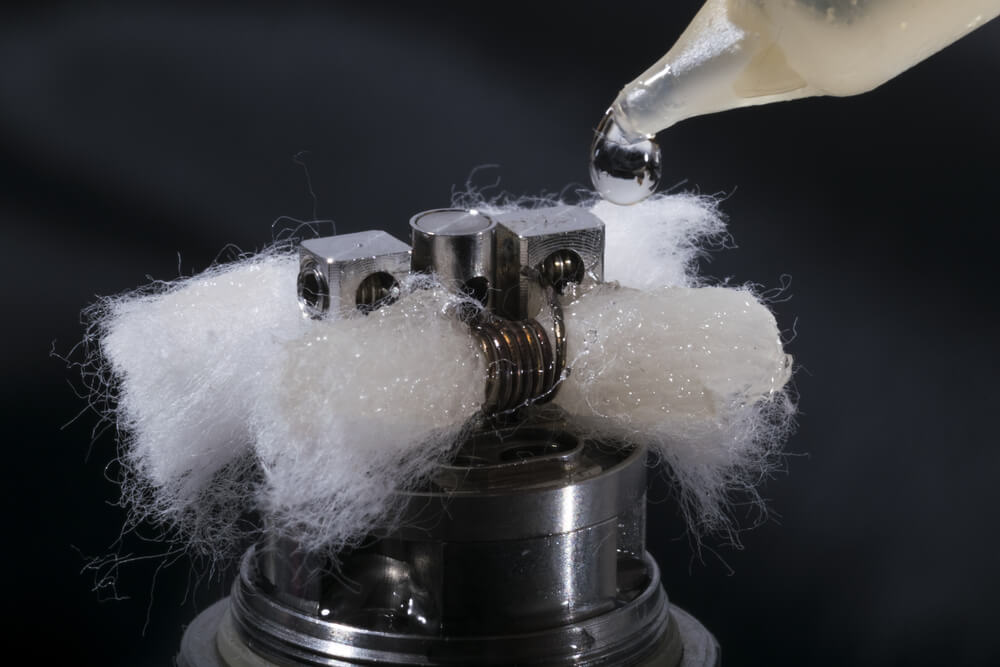
 Vaping has come a long way since its inception. From
rudimentary devices to advanced systems, the journey has been marked by
continuous innovation. One crucial aspect that has seen significant evolution
is the wicking
of vape coils. Wicking, the process of delivering
e-liquid to the coil for vaporization, plays a vital role in the vaping
experience. Today, we’ll explore the old and new ways of wicking vape coils,
highlighting the technological advancements and their impact on vaping.
The Old Ways: Cotton Balls and Silica Wicks
In the early days of vaping, wicking was relatively
straightforward but less efficient. Vapers primarily used cotton balls and
silica wicks, both of which had their own set of challenges and limitations.
Cotton Balls
Cotton balls were among the first materials used for
wicking. They were cheap, readily available, and easy to use. However, they had
several drawbacks:
- Poor
Absorption: Cotton balls often struggled to
absorb e-liquid efficiently, leading to dry hits and inconsistent vapor
production. - Short
Lifespan: Cotton balls would degrade quickly,
requiring frequent replacement. - Flavor
Issues: They could impart an unwanted taste
to the vapor, diminishing the overall experience.
Silica Wicks
Silica wicks offered a slightly better alternative to
cotton balls. Made from braided silica fibers, these wicks were more durable
and heat-resistant. However, they too had their limitations:
- Flavor
Muting: Silica wicks could mute the flavors
of e-liquids, making the vaping experience less enjoyable. - Breakage:
The fibers could break down over time, leading to inconsistent wicking and
potential coil damage. - Hard
to Work With: Silica wicks were often challenging
to handle and install, particularly for beginners.
The Transition: Organic Cotton and Rayon
As the vaping community grew, so did the demand for
better wicking materials. This led to the adoption of organic cotton and rayon,
which offered improved performance and a more enjoyable vaping experience.
Organic Cotton
Organic cotton quickly became the standard for wicking
due to its superior properties compared to traditional cotton balls:
- Purity:
Organic cotton is free from chemicals and bleach, ensuring a cleaner
taste. - Absorption:
It has excellent absorption capabilities, reducing the likelihood of dry
hits. - Durability:
Organic cotton wicks last longer and provide more consistent performance.
Despite its advantages, organic cotton is not without
its challenges. It can still degrade over time and may require regular
replacement, especially with high-wattage vaping.
Rayon
Rayon, a semi-synthetic fiber, emerged as another
popular wicking material. It offered several benefits over both silica and
organic cotton:
- High
Absorption: Rayon wicks e-liquid quickly and
efficiently, minimizing the risk of dry hits. - Heat
Resistance: It withstands higher temperatures
without degrading, making it suitable for high-wattage vaping. - Flavor
Preservation: Rayon preserves the flavors of
e-liquids better than silica, providing a more enjoyable experience.
However, rayon’s semi-synthetic nature has led to
debates within the vaping community about its safety and long-term effects.
The New Ways: Advanced Materials and Technologies
The latest advancements in wicking materials and
technologies have revolutionized the vaping experience, addressing many of the
issues associated with older methods. Modern wicking materials include cotton
blends, ceramic wicks, and innovative technologies such as mesh coils.
Cotton Blends
Manufacturers have developed specialized cotton blends
that combine the best properties of various cotton types. These blends offer
superior wicking capabilities, enhanced flavor preservation, and increased
durability. Some popular examples include:
- Japanese
Organic Cotton: Known for its purity and excellent
wicking properties. - Cotton
Bacon: A blend specifically designed for
vaping, offering easy handling and superior performance.
Ceramic Wicks
Ceramic wicks represent a significant leap forward in
wicking technology. Made from porous ceramic materials, these wicks provide
several advantages:
- Exceptional
Flavor: Ceramic wicks do not impart any
taste, allowing for the purest flavor from e-liquids. - Longevity:
They are highly durable and can last significantly longer than traditional
cotton or rayon wicks. - Heat
Resistance: Ceramic wicks can withstand high
temperatures, making them ideal for high-wattage vaping.
However, ceramic wicks can be more challenging to work
with and may require specialized coils and atomizers.
Mesh Coils
One of the most significant innovations in vaping
technology is the introduction of mesh coils. Unlike traditional coils, which
use a single wire, mesh coils use a mesh structure, offering several benefits:
- Even
Heating: The mesh design ensures even heating
across the entire coil, reducing the risk of hot spots and dry hits. - Improved
Wicking: The larger surface area of mesh
coils allows for better e-liquid absorption and vapor production. - Enhanced
Flavor: Mesh coils provide a more consistent
and flavorful vaping experience.
Mesh coils have quickly become the preferred choice
for many vapers, offering a superior experience compared to traditional wire
coils.
Impact on the Vaping Experience
The evolution of wicking materials and technologies
has had a profound impact on the vaping experience. Modern wicking methods
provide:
- Better
Flavor: Advanced materials and technologies
preserve the flavors of e-liquids, offering a more enjoyable experience. - Consistency:
Improved wicking efficiency ensures consistent vapor production and
reduces the likelihood of dry hits. - Durability:
Modern wicking materials last longer, reducing the need for frequent
replacements and maintenance.
These advancements have made vaping more accessible
and enjoyable for both beginners and experienced vapers, driving the continued
growth and innovation within the industry.
The New Way Seems to Be the Better Way!
The journey from old to new ways of wicking vape coils
reflects the broader evolution of vaping technology. From the rudimentary
cotton balls and silica wicks to the advanced cotton blends, ceramic wicks, and
mesh coils of today, each step forward has brought significant improvements to
the vaping experience. As the industry continues to innovate, we can expect
even more advancements in wicking technology, further enhancing the enjoyment
and satisfaction of vapers around the world. Whether you’re a seasoned vaper or
new to the scene, understanding the evolution of wicking can help you make
informed choices and get the most out of your vaping experience.
Leave a Reply